Innovation & Engineering
Technological Competencies
At SR Foods Pvt. Ltd., innovation and technology are the driving forces behind our commitment to quality, food safety, and operational excellence.
Switzerland
Capacity
Capacity
Automation Level
Complete Wheat Processing Cycle
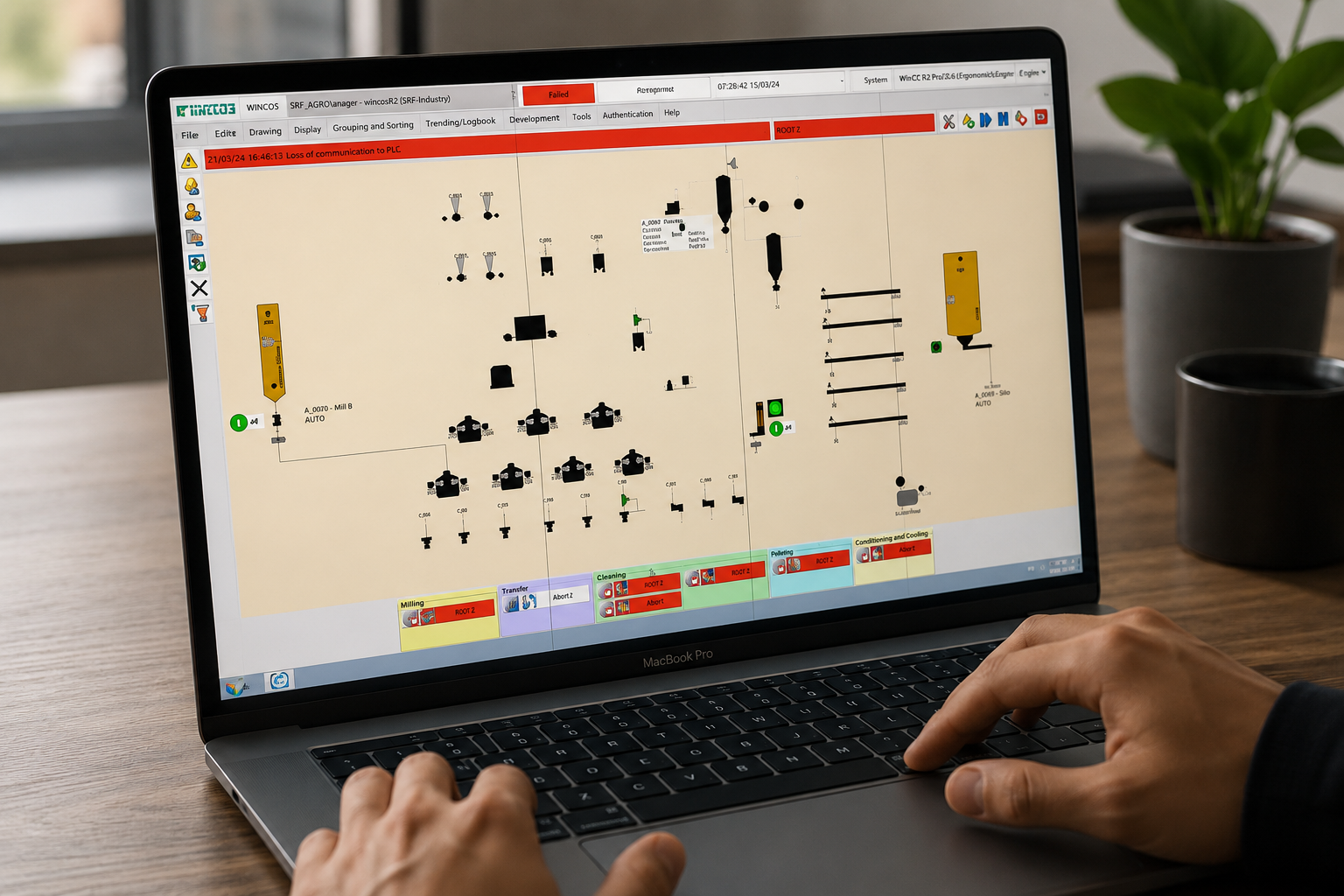
WinCos R2 Plant Automation
The plant operates with highly sophisticated automation systems including WinCos R2 Software integrated with complete plant automation, enabling precise process control, recipe management, energy monitoring, motor running reports, product management, OEE monitoring, Roller Floor Cockpit, and SMS & Email integration with BUHLER systems.
SR Foods is among the first companies in Nepal to implement this advanced technology for efficient and optimized mill operations.
Key Features:
Pre-Cleaning
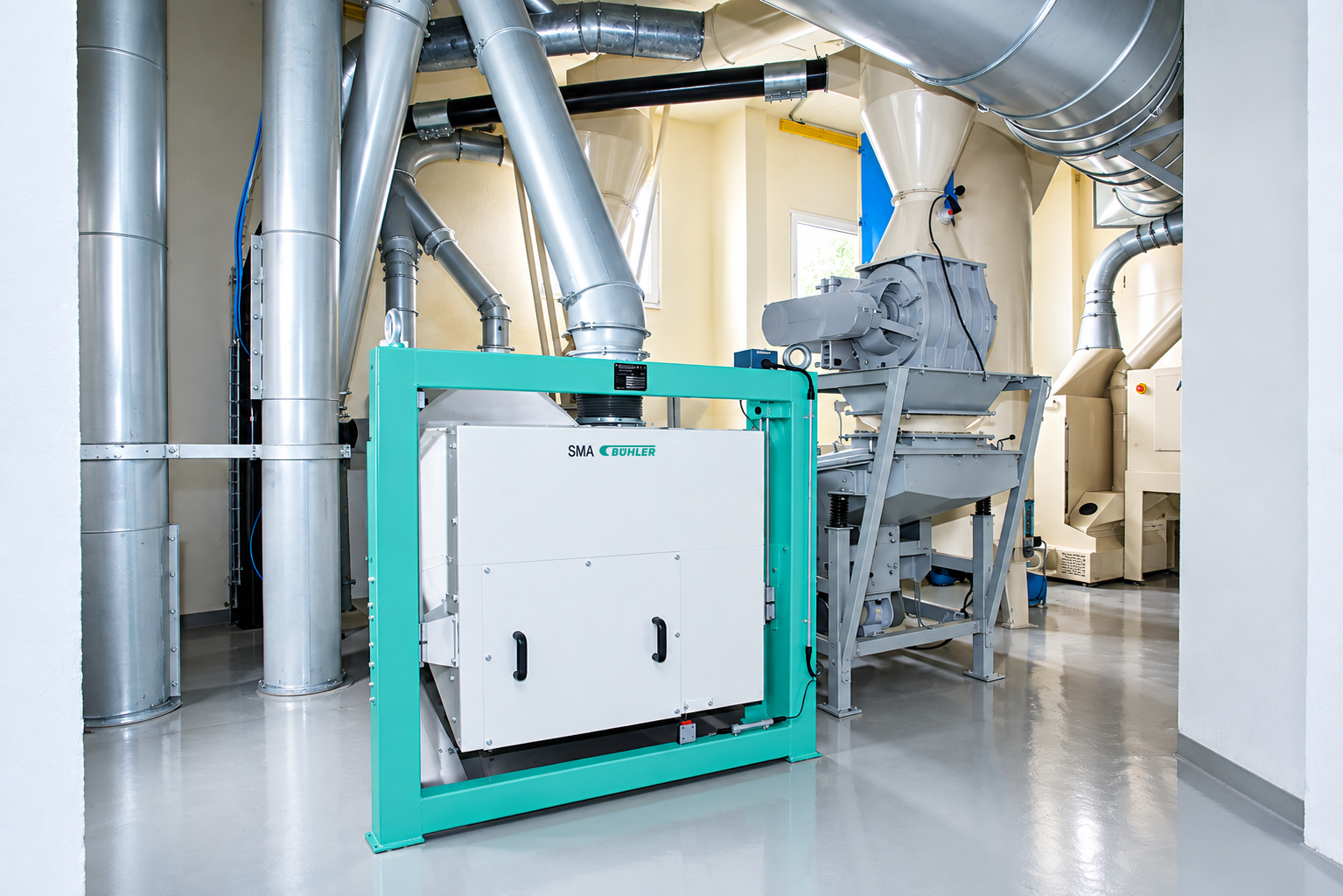
The wheat cleaning process begins with a comprehensive pre-cleaning stage designed to remove foreign materials and impurities before the wheat is transferred to storage.
Incoming wheat passes through a series of mechanical and pneumatic cleaning and separation systems, including drum sieve, magnetic separation, aspiration, and other specialized cleaning equipment. These operations effectively remove unwanted materials such as dust, stones, metal particles, straw, and other foreign matter, thereby improving the cleanliness and quality of the wheat prior to storage and subsequent processing.
Key Processes:
Effective pre-cleaning supports hygienic wheat storage, protects downstream milling equipment, and provides a clean and consistent raw material for subsequent processing.
Modern Silo Storage & Hygiene
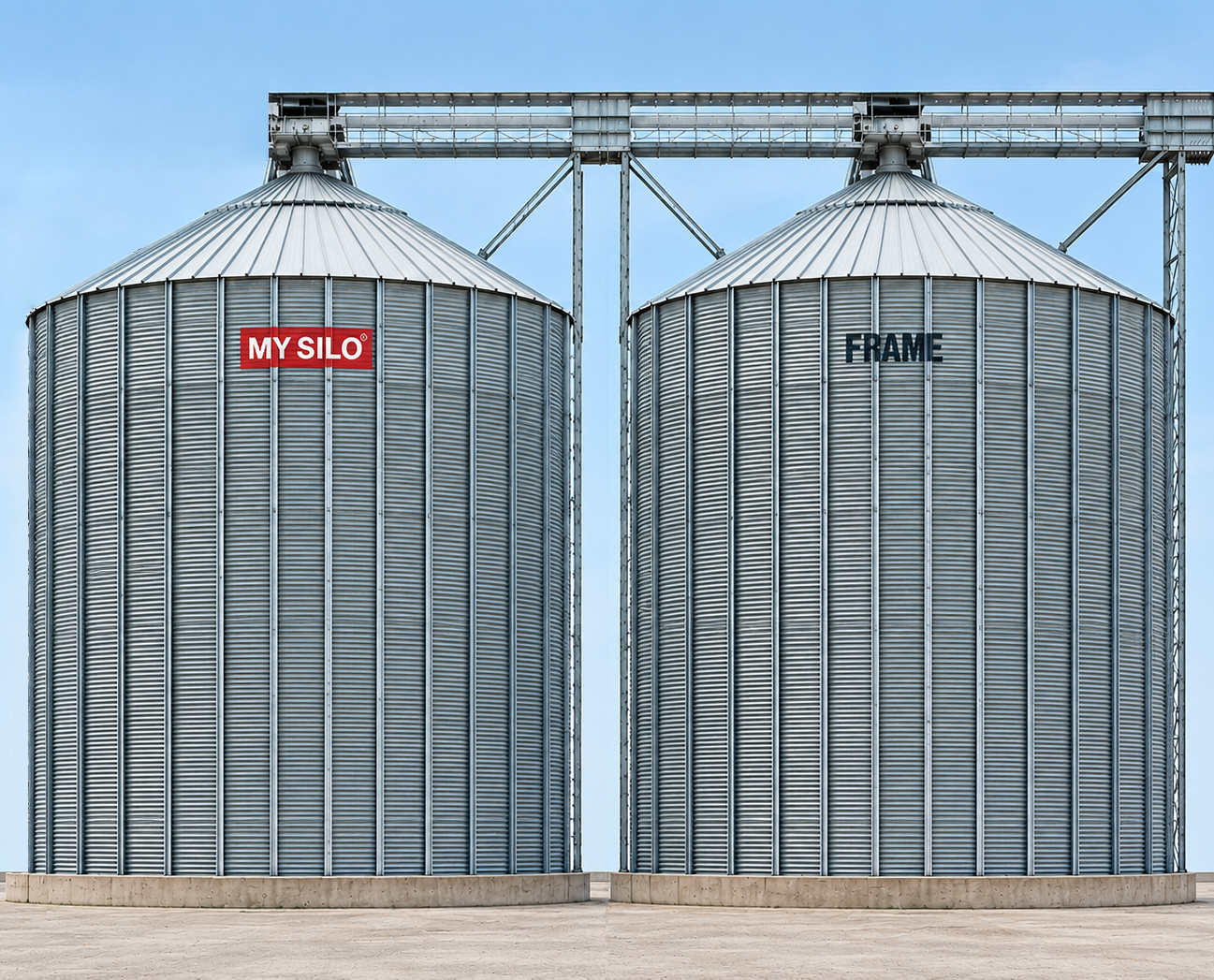
Following pre-cleaning, the wheat is transferred to our modern silo storage system, where it is maintained under controlled conditions until it is required for the milling process.
Our facility is equipped with modern metal wheat silos, each with a storage capacity of 5,000 MT. The silos are supported by automatic air-cooling and fumigation systems designed to maintain suitable storage conditions and help protect the stored wheat from moisture, insect activity, and other environmental influences.
The integrated fumigation system supports effective pest management within the silo environment, while the controlled storage system helps preserve the quality, integrity, and hygienic condition of the raw material and ensures a reliable and consistent supply of wheat to the production line.
Key Features:
The integration of modern silo infrastructure, air-cooling, and fumigation systems supports effective wheat preservation, pest management, and reliable continuity of milling operations.
First Cleaning
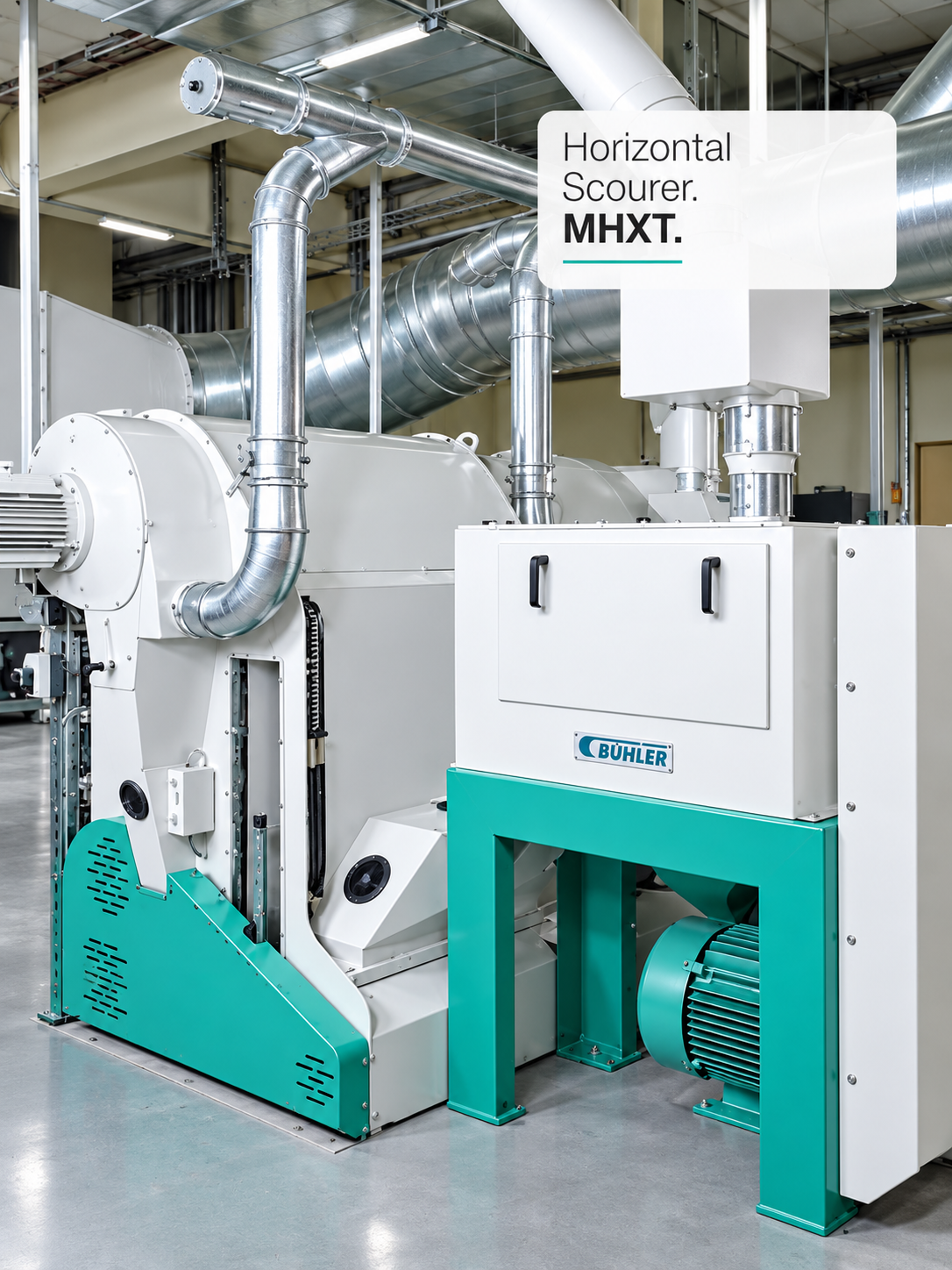
Prior to conditioning, the stored wheat undergoes the first major cleaning stage, where remaining impurities are systematically removed following pre-cleaning. This stage prepares the wheat for subsequent conditioning and milling operations by improving its overall cleanliness and suitability for further processing.
The cleaning system incorporates a combination of separation, aspiration, magnetic, and surface-cleaning technologies, including separators, destoners, cockle cylinders, scourers, and magnetic separation systems. These processes effectively remove stones, foreign seeds, metal particles, dust, and other surface impurities from the wheat.
Key Processes:
The first cleaning stage provides an effective barrier against physical contaminants and unwanted materials, ensuring that the wheat entering the conditioning stage is clean, suitably prepared, and consistent for efficient downstream milling.
Conditioning
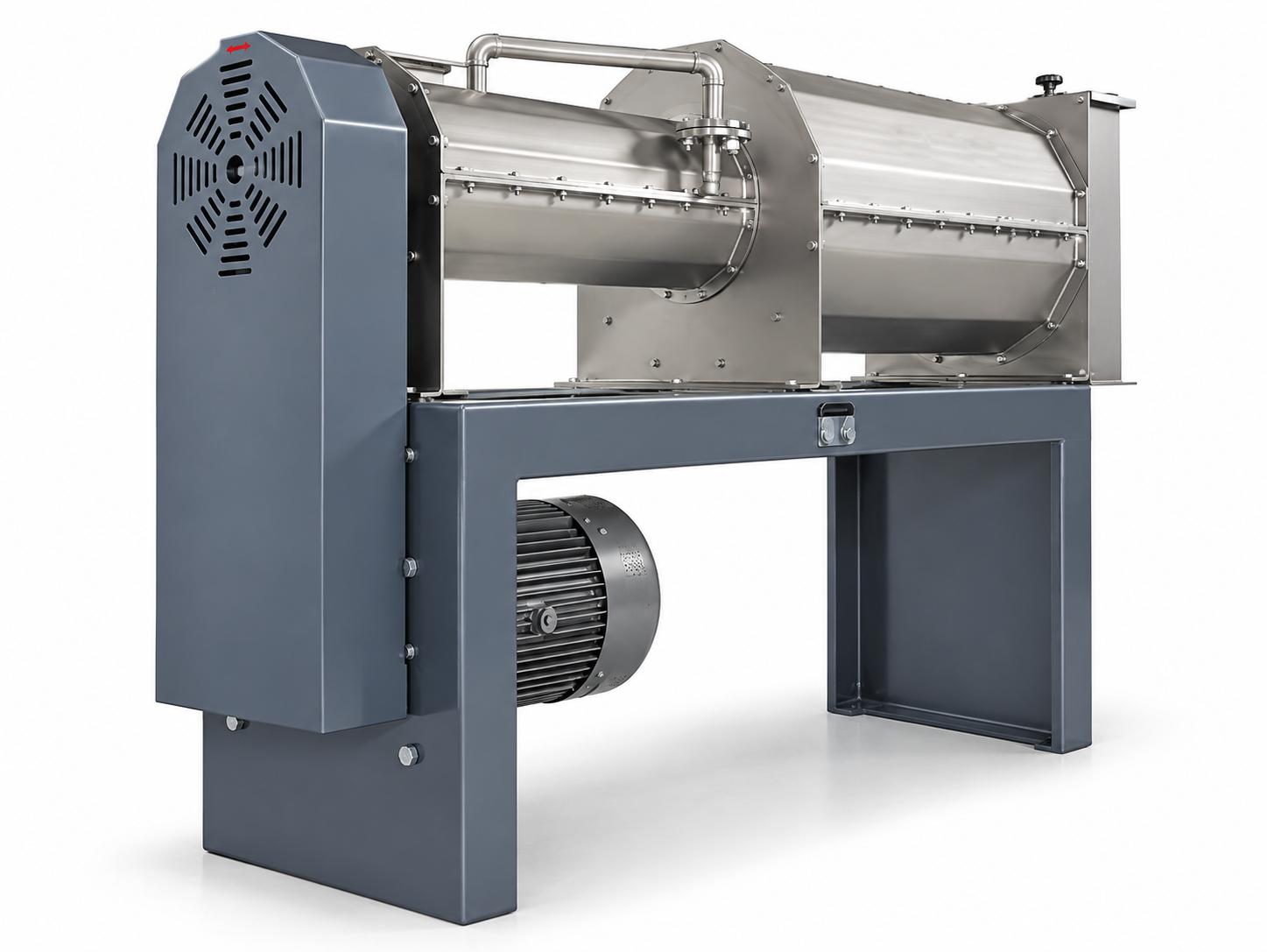
Conditioning prepares the wheat kernel for efficient milling by improving the separation of the bran and endosperm. It helps strengthen the bran and makes the endosperm more suitable for grinding, resulting in better bran separation, improved flour extraction, reduced bran contamination, and efficient milling performance.
Our conditioning system incorporates automatic dampening, conveying, tempering, and flow-control systems to maintain consistent wheat preparation and support uniform milling performance.
Key Processes:
Proper conditioning helps prepare the wheat kernel for efficient milling and separation of the endosperm from the bran and germ.
Second Cleaning
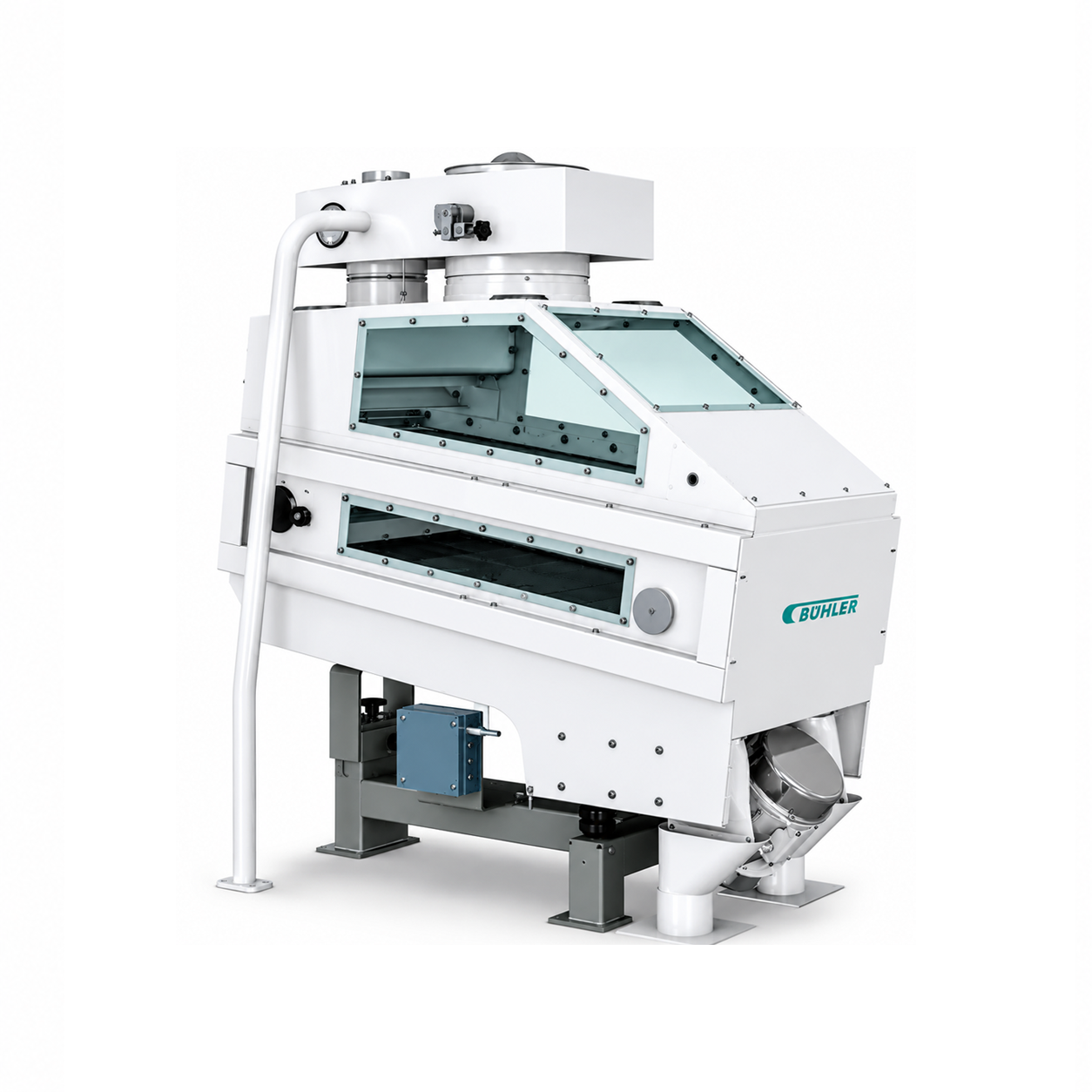
Following conditioning, the wheat undergoes a second and more intensive cleaning stage to remove residual surface impurities and contaminants prior to entering the milling section.
This stage incorporates a combination of magnetic separation, aspiration, destoning, and intensive scouring systems to further improve the cleanliness of the conditioned wheat. The integrated cleaning processes ensure that residual foreign materials and adhering surface impurities are effectively removed before the wheat proceeds to milling.
Key Processes:
The second cleaning stage provides an additional level of physical impurity control and surface cleaning, ensuring that properly prepared and clean wheat enters the milling system for efficient processing and consistent product quality.
Milling
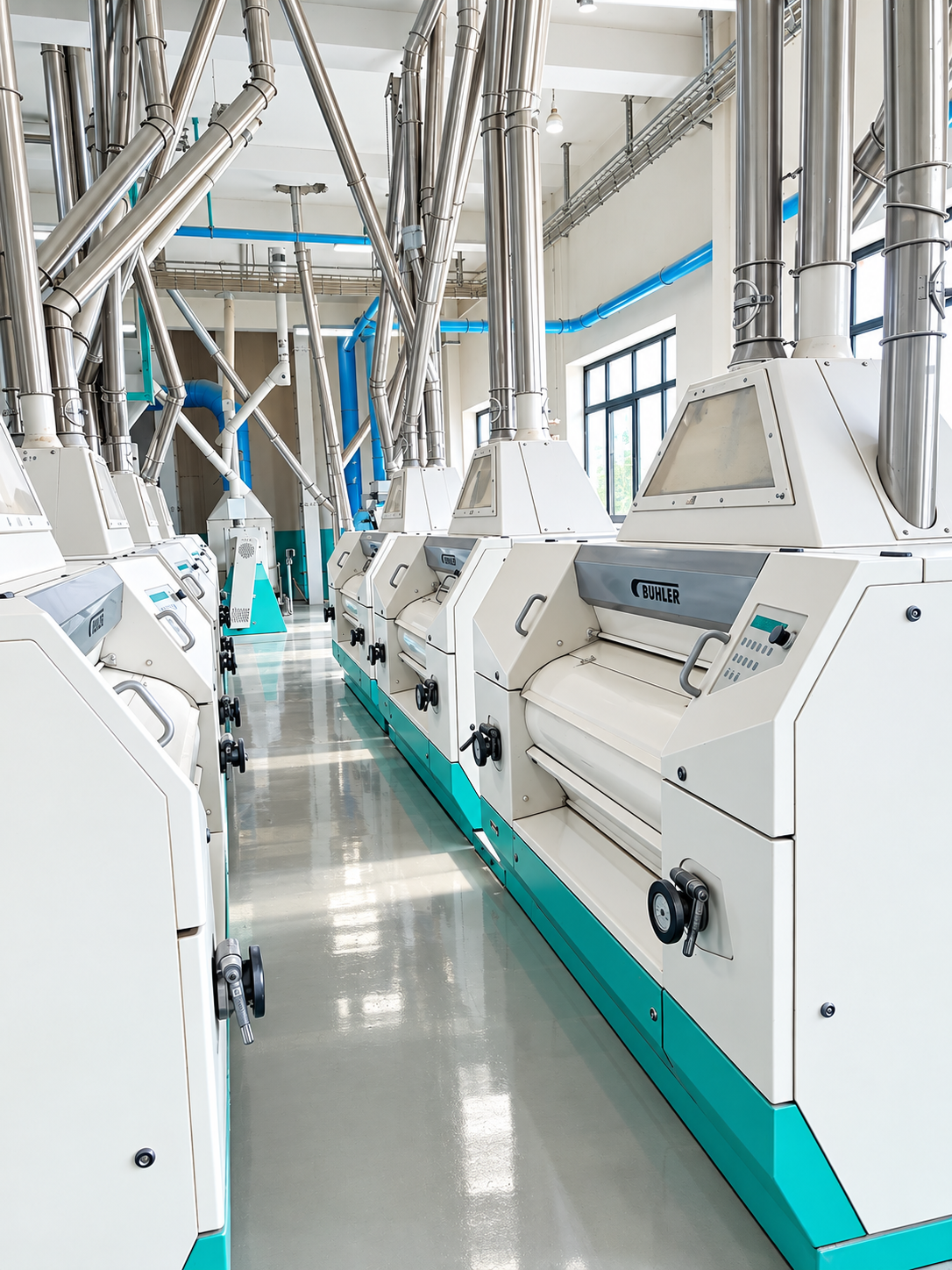
Following cleaning and conditioning, the prepared wheat is transferred to the main milling section, where it undergoes a systematic and controlled reduction through a series of roller mills.
Our facility is equipped with 100% Bühler technology from Switzerland, incorporating advanced wheat cleaning and milling systems with a production capacity of 200 tonnes per day (TPD).
The milling process progressively reduces the wheat kernel while efficiently separating the endosperm from the bran and germ. A combination of multiple break and reduction stages ensures controlled particle-size reduction and optimal separation, enabling consistent flour quality, efficient extraction, and the desired product characteristics.
Key Processes:
Roller milling progressively separates and reduces wheat components, with intermediate products subsequently being classified and purified through the milling flow.
Purifier
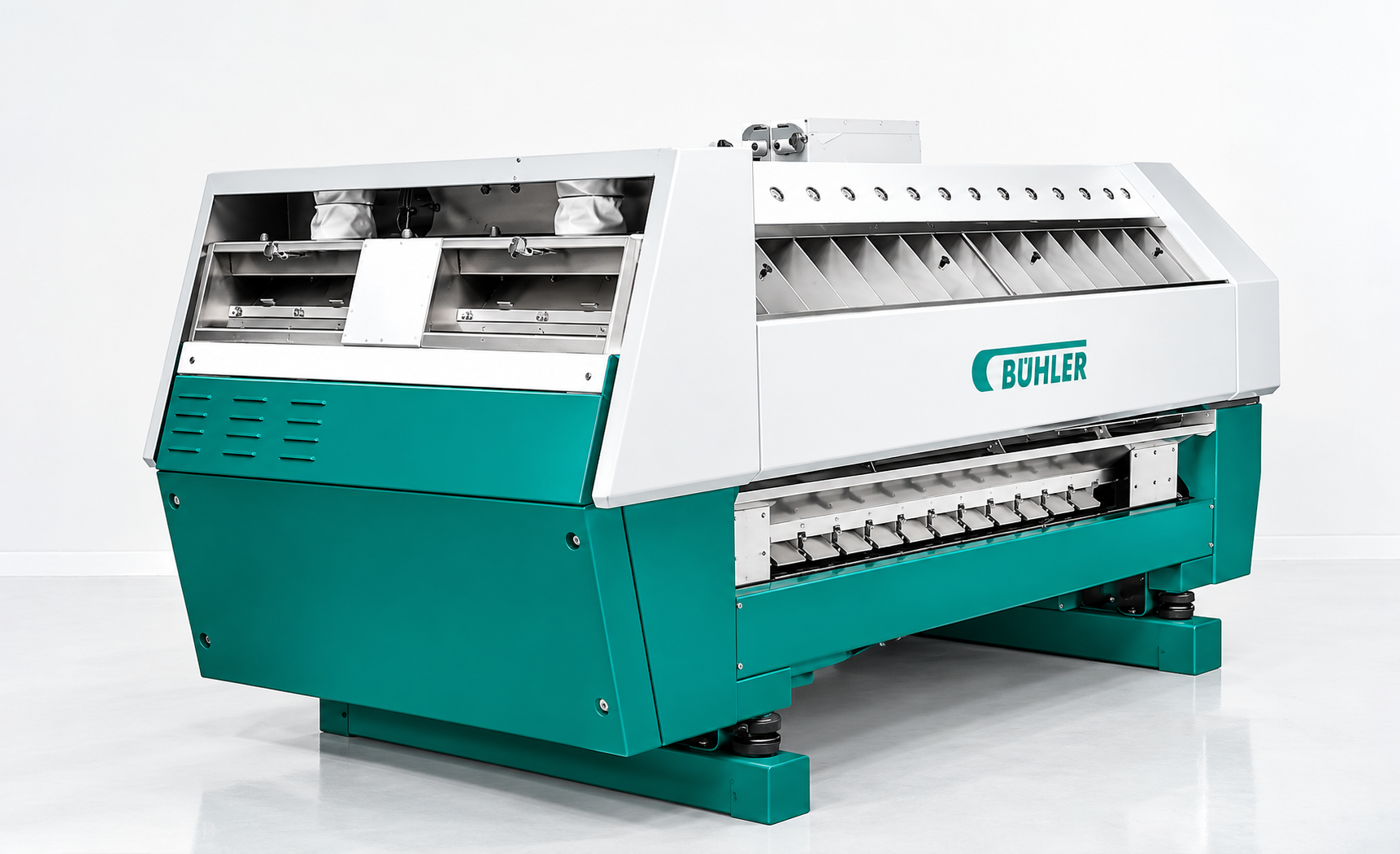
Following the milling stages, the intermediate granular products are subjected to a controlled purification process. The purifier utilizes precisely regulated airflow and sieving mechanisms to separate lighter bran particles from heavier, endosperm-rich particles.
This process enhances the purity of the intermediate products and facilitates efficient separation prior to their transfer to subsequent milling and classification stages. By optimizing the separation of bran and endosperm particles, the purification process contributes to improved flour quality, extraction efficiency, and consistency.
Key Benefits:
Purification systems form an integral part of modern flour-milling operations and work in conjunction with roller mills and plansifters to achieve efficient particle separation and consistent product quality.
Plansifter
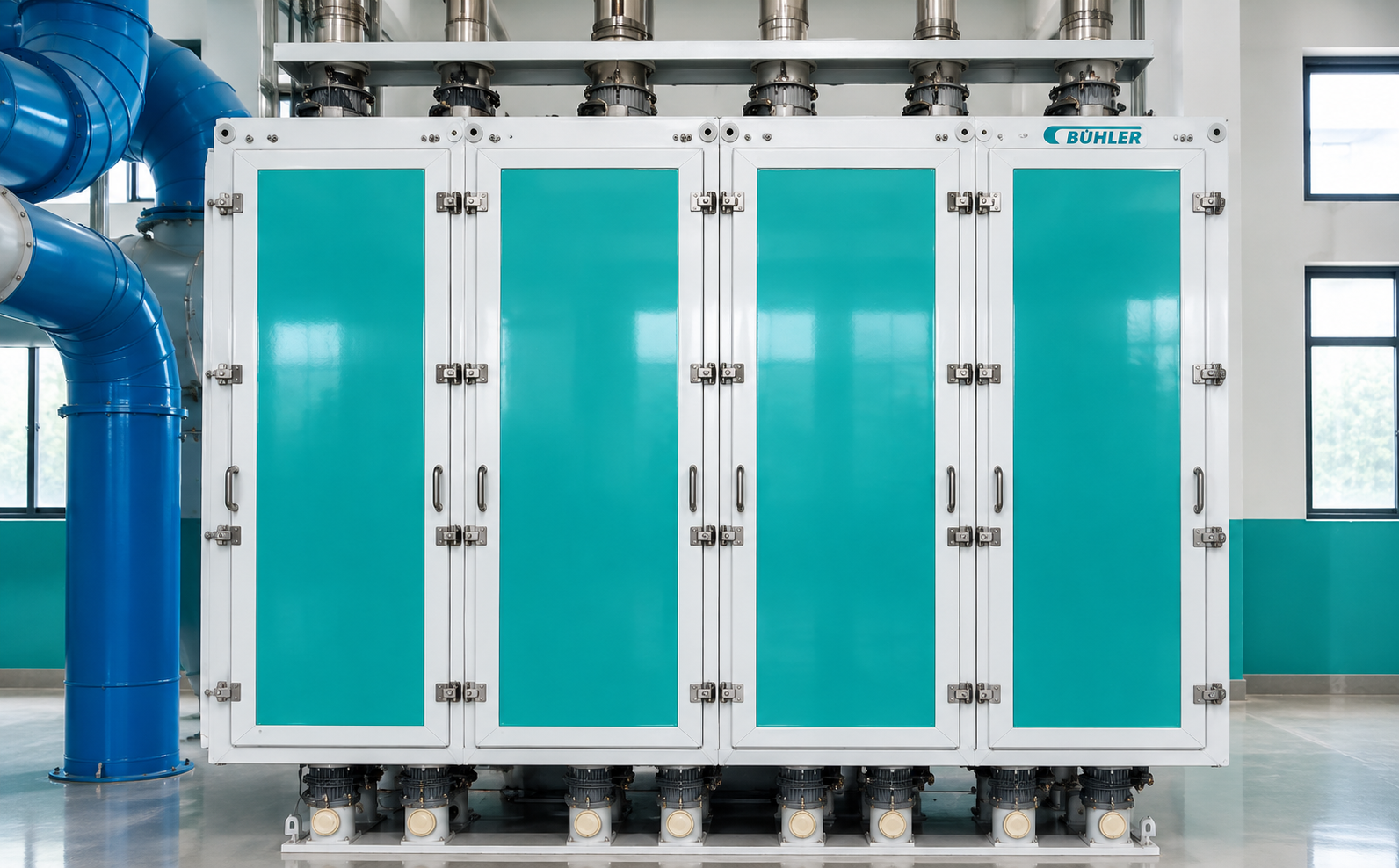
Following the milling stages, the milled products are conveyed to plansifters for precise classification based on particle size. The plansifter employs multiple sieve sections to efficiently separate flour and granular materials into different fractions.
Each fraction is systematically classified and directed either to the appropriate subsequent milling stage or to the designated finished-product stream, depending on its characteristics and processing requirements.
This controlled classification process ensures consistent particle size distribution, effective separation of bran and flour fractions, and uniform product quality, while supporting efficient product flow throughout the milling system.
Key Functions:
Plansifters are an integral component of modern flour-milling systems, providing efficient and controlled classification of flour and granular products through multiple sieve sections to support optimal milling performance and consistent finished-product characteristics.
Minisifter
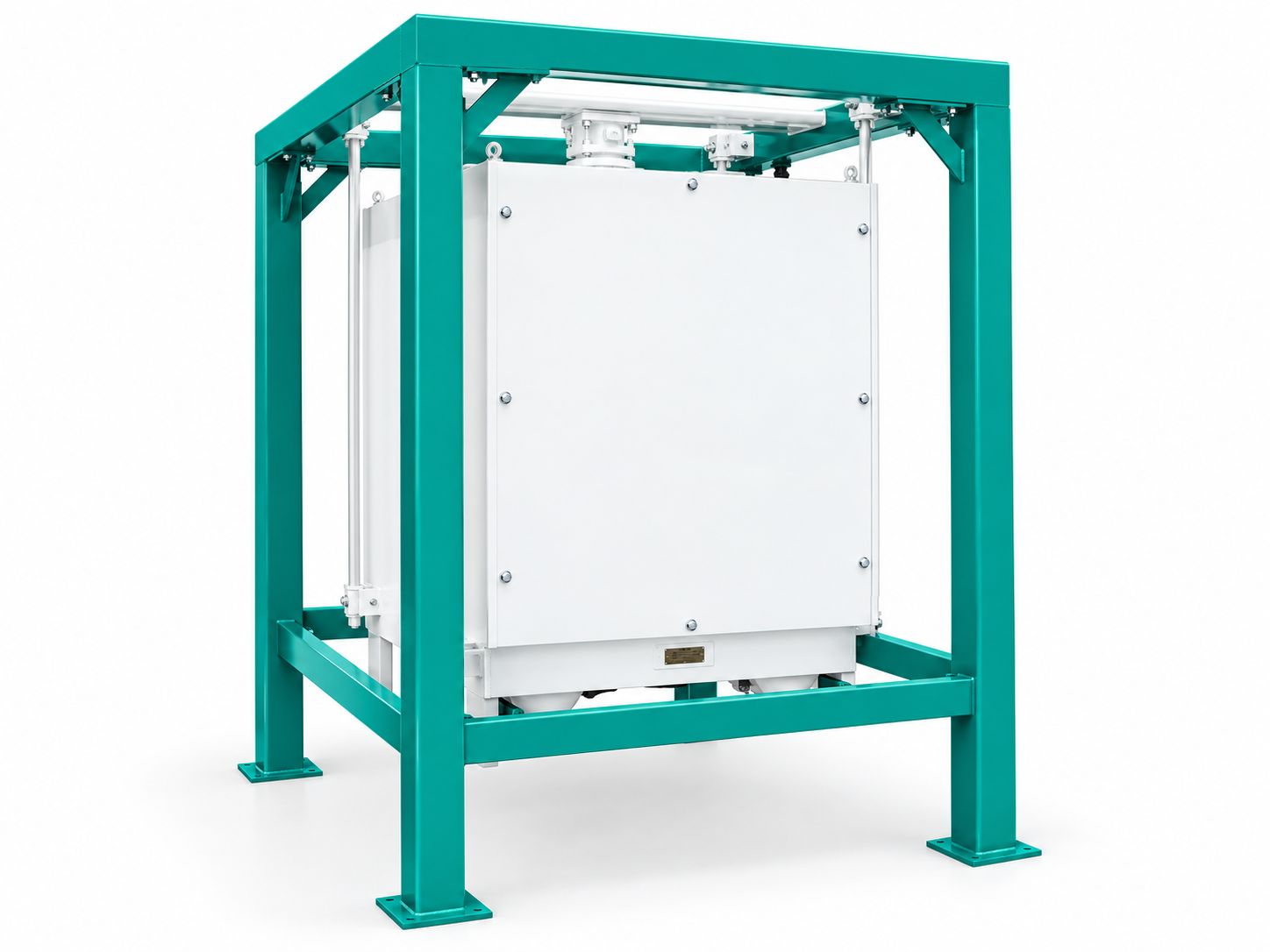
Prior to final packing, the finished flour passes through the Minisifter, which provides an additional stage of fine sifting and product refinement. This process enables precise control of the final particle-size distribution and supports compliance with the specified product requirements.
The Minisifter serves as an additional final process-control point, helping ensure uniformity and consistency of the finished flour before it proceeds to final quality and food-safety verification.
Following the final screening and quality checks, the approved product is transferred to the automatic packing system for efficient and hygienic packaging.
Key Functions:
Packing
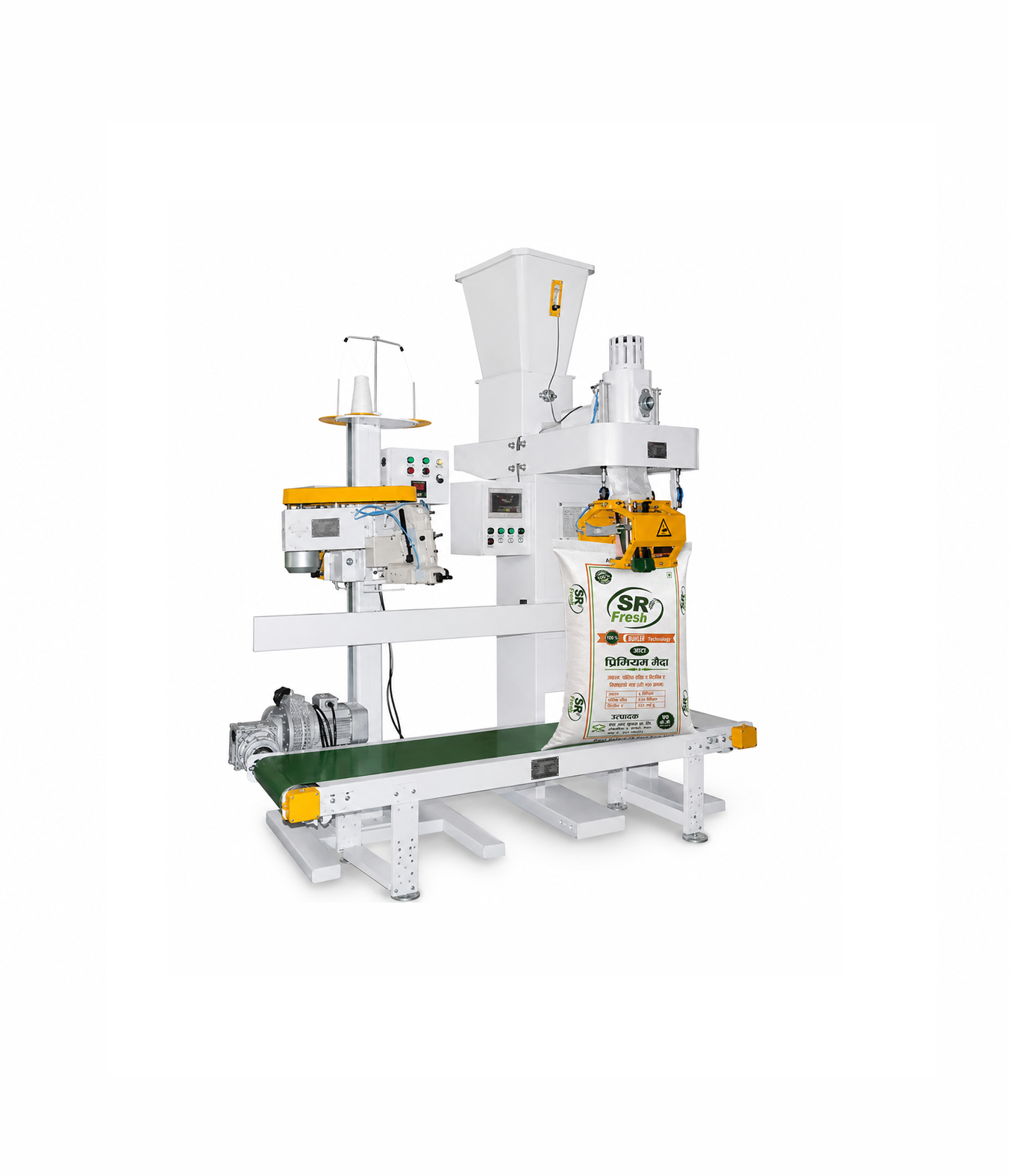
The final stage of the milling process is automatic packing, where the finished products are transferred to the packing section following the completion of milling, purification, and sifting operations. The products are accurately weighed and hygienically packed under controlled conditions to maintain product integrity and consistency.
Our facility is equipped with automatic packing systems for products such as Suji and Chakki Atta, enabling efficient, accurate, and consistent packaging operations while minimizing manual handling.
Prior to final packing, the process incorporates metal detection systems as essential product-safety controls. These measures help detect and prevent potential metallic contaminants from entering the finished product, supporting compliance with established food-safety requirements.
Key Features:
The integration of automated weighing, hygienic product handling, and metal detection provides an effective final control system, supporting product safety, quality, and consistency throughout the packing operation.
Engineering Trust Into Every Grain.
From Swiss-engineered milling to multi-stage purity assurance, every step at SR Foods is built on technology you can rely on.
Explore Our Products →